

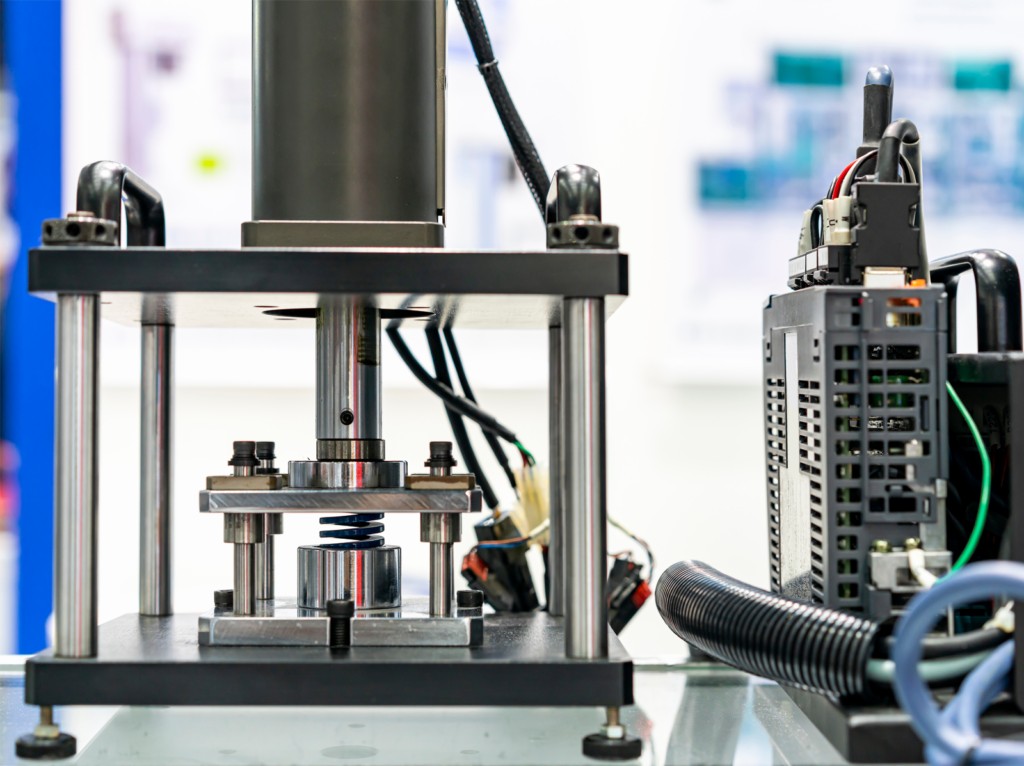
Composite materials have become the backbone of modern engineering, offering unmatched strength-to-weight ratios that make them ideal for aerospace, automotive, wind energy, marine, and sporting industries. However, ensuring their durability over long service lives is a challenge, as repeated cyclic loads can cause fatigue failures. This is where composite fatigue testing plays a crucial role.
In recent years, innovations in testing methods, equipment, and data analytics have revolutionized the way engineers evaluate fatigue performance. These advancements are enabling lightweight yet durable designs that push the boundaries of safety, efficiency, and sustainability.
Why Fatigue Testing Matters for Composites
Understanding Fatigue Behavior
Fatigue is the progressive structural damage that occurs when a material is subjected to cyclic loading. Unlike metals, composites have anisotropic properties (different strength in different directions), meaning their fatigue behavior depends on fiber orientation, matrix composition, and manufacturing quality.
Impact on Lightweight Design
Lightweight design aims to reduce mass without compromising safety. In aerospace, for example, weight reduction directly translates to fuel savings. However, without accurate fatigue testing, these lightweight designs could fail prematurely under real-world conditions.
Industries That Rely on Fatigue Testing
- Aerospace: Aircraft wings, fuselage panels, rotor blades
- Automotive: Electric vehicle body panels, suspension components
- Wind Energy: Turbine blades subjected to millions of load cycles
- Marine: Hull structures and racing boat components
- Sports Equipment: High-performance bicycles, tennis rackets, skis
Traditional vs. Modern Composite Fatigue Testing
Historically, composite fatigue testing relied on methods adapted from metallic materials. While these were useful, they didn’t fully account for the unique failure mechanisms in composites such as delamination, fiber breakage, or matrix cracking.
Traditional Approaches
- Constant Amplitude Loading: Same load applied repeatedly until failure
- High-Cycle Fatigue (HCF) and Low-Cycle Fatigue (LCF) classifications
- Simple S–N (Stress–Number of Cycles) curves for life prediction
Limitations:
- Longer testing times
- Lack of real-world environmental simulation
- Limited insight into internal damage progression
Key Innovations in Composite Fatigue Testing
Advancements in materials science, data acquisition, and automation have led to more accurate, faster, and more realistic fatigue testing methods.
1. Accelerated Fatigue Testing
Modern equipment uses higher load frequencies, multi-specimen testing, and automation to reduce test times from months to weeks.
- Benefit: Rapid feedback for design iterations
- Example: Aerospace-grade carbon fiber laminates tested under accelerated loading without thermal damage using advanced cooling systems.
2. Digital Image Correlation (DIC)
A non-contact optical measurement technique that tracks surface strain and deformation during testing.
- Benefit: Detects micro-cracks and delamination before catastrophic failure
- SEO Keyword Tip: DIC in composite fatigue testing
- Example: Automotive crash components monitored in real-time to predict failure zones.
3. Thermography for Damage Detection
Infrared thermography detects temperature changes caused by internal friction and damage progression in composites.
- Benefit: Early identification of fatigue-induced heating and resin degradation
- Application: Wind turbine blade maintenance planning based on thermal fatigue data.
4. Variable Amplitude Loading (VAL)
Instead of constant loads, VAL simulates real-world operational conditions with varying stresses.
- Benefit: More accurate life prediction for aerospace and marine structures
- Example: Helicopter rotor blades tested with flight spectrum loading profiles.
5. Multi-Axial Fatigue Testing
Composites often face complex stress states. Multi-axial rigs apply bending, torsion, and tension/compression simultaneously.
- Benefit: Replicates real-life loading scenarios
- SEO Keyword Tip: multi-axial composite fatigue testing
- Example: EV chassis frames tested for combined road vibration and structural loads.
6. Environmental Simulation Chambers
Modern testing now includes temperature, humidity, salt spray, and UV exposure to simulate environmental effects.
- Benefit: Understand fatigue performance in extreme climates
- Example: Marine composite hull panels tested in high-humidity, salt-rich atmospheres.
7. Machine Learning & Predictive Analytics
AI models analyze fatigue test data to predict failure points and optimize designs before physical testing.
- Benefit: Reduces physical testing costs and speeds up R&D cycles
- Example: Predicting lifespan of aerospace composites using big data from previous test results.
Case Studies: Innovations in Action
Aerospace: Boeing 787 Dreamliner
Boeing uses advanced composite fatigue testing protocols for its carbon-fiber-reinforced fuselage sections, including accelerated spectrum loading and thermographic inspection, ensuring decades of safe service life.
Automotive: Formula 1
F1 teams employ DIC and multi-axial fatigue rigs to ensure chassis and suspension parts endure extreme racing conditions while remaining ultra-lightweight.
Wind Energy: Offshore Turbines
Offshore wind turbine blades undergo combined fatigue and environmental testing to withstand both constant wind loads and harsh marine weather.
Benefits of Innovative Fatigue Testing for Lightweight Designs
- Enhanced Safety: Detects failure mechanisms earlier, preventing accidents
- Reduced Development Time: Accelerated testing supports faster product launches
- Material Optimization: Allows for lighter structures without sacrificing durability
- Cost Efficiency: Avoids overdesign by providing accurate fatigue life data
- Sustainability: Supports longer service life and fewer replacements
Challenges and Future Directions
Challenges
- High cost of advanced testing equipment
- Need for standardized testing protocols across industries
- Data interpretation complexity in multi-variable testing
Future Directions
- Fully Automated Testing Labs: AI-driven, real-time analysis for continuous improvement
- Hybrid Testing-Modeling Approaches: Combining physical and virtual fatigue testing
Conclusion
The push for lightweight yet durable designs is driving remarkable innovations in composite fatigue testing. From accelerated loading methods and advanced imaging technologies to AI-powered predictive analytics, engineers now have powerful tools to ensure safety, performance, and longevity.
As industries like aerospace, automotive, and renewable energy continue to evolve, the ability to simulate real-world conditions and detect microscopic damage early will be the cornerstone of composite design excellence. The future of fatigue testing is not just about breaking specimens — it’s about building smarter, safer, and more efficient structures.
